
How to Cope With Athlete Injury Depression
Aug 19, 2026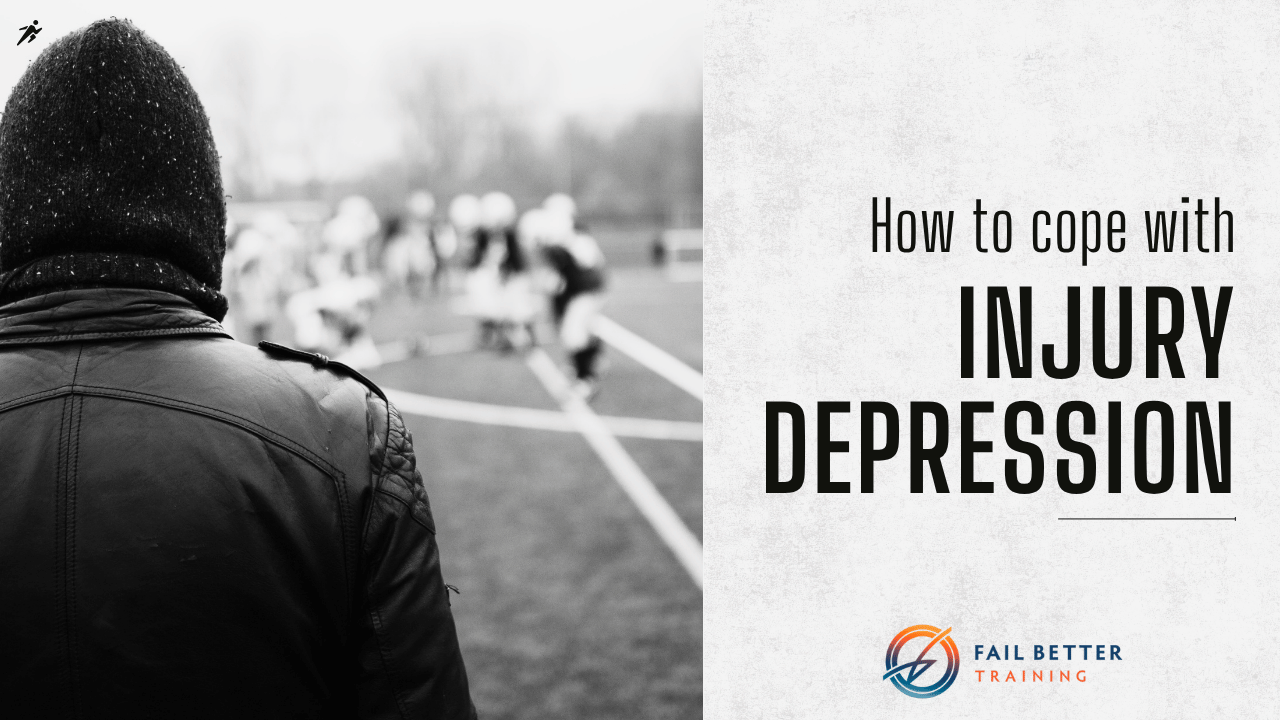
How to Cope With Athlete Injury Depression
An injury can change much more than your training schedule. It can affect your confidence, identity, relationships, routine, and mental health.
If you've experienced post injury depression, anxiety, anger, or a sense of hopelessness, you're not alone. The mental and emotional impact of injury can be significant, particularly for athletes whose sport is a major part of their identity.
One day, you are practicing, competing, traveling with your team, and working toward your goals. The next, you may be sitting on the sidelines wondering when, or if, you'll get back to the athlete you were before.
You might miss your teammates. You might miss your routine. You might worry about losing your fitness or your place on the team. You might even wonder who you are without your sport.
These feelings are not a sign that you are handling your injury badly. They are part of the experience of losing something that matters to you.
You Don't Have to "Accept" Your Injury All at Once
When people talk about accepting an injury, it can sound like they're telling you to simply make peace with what happened and move on.
That is not realistic.
Acceptance does not mean liking your injury, giving up on your goals, or pretending that everything is fine. It means gradually making room for the reality of what is happening so you can respond to it instead of constantly fighting against it.
You can be frustrated about your injury and still work toward recovery.
You can grieve what you've lost and look for ways to move forward.
You can be afraid about the future and take the next step anyway.
Learning how to deal with injury mentally starts with giving yourself permission to have a complicated response.
The Mental Health Impact of Injury
The effects of injuries on athletes' mental health can include depression, anxiety, isolation, frustration, loss of confidence, and uncertainty about the future.
For some athletes, these feelings may be temporary and closely connected to the normal grief of injury. For others, they can become more persistent or interfere with daily life.
Either way, struggling does not mean you're weak or failing at recovery.
1. Give Yourself Permission to Grieve
One of the most helpful things you can do after an injury is recognize that you have experienced a loss.
You may have lost your ability to compete, your independence, your routine, your role on your team, or your sense of confidence in your body.
Instead of immediately trying to replace difficult emotions with positivity, try naming what you're actually experiencing.
Ask yourself:
What am I grieving right now?
Write down whatever comes to mind. Maybe it's playing your sport. Maybe it's missing your teammates. Maybe it's uncertainty about your future. Maybe it's the version of yourself you felt like when you were healthy.
There is no right answer.
Naming the loss can help you understand why you're struggling instead of judging yourself for struggling.
2. Focus on What You Can Influence Today
Injury can make the future feel completely uncertain.
When will I be back?
Will I be the same?
What if I get injured again?
Will I lose my spot?
These questions are understandable, but they can also keep you stuck in a future you cannot predict.
Instead, try asking:
What is within my control today?
Maybe it is showing up for rehab. Maybe it is getting enough sleep, staying connected with teammates, doing something you enjoy outside of sport, or taking care of yourself when you're having a difficult day.
You do not have to figure out your entire recovery today.
You only need to figure out your next step.
What If You're Struggling With Injury Depression?
If you're experiencing persistent sadness, hopelessness, withdrawal, changes in sleep or appetite, or losing interest in things you normally enjoy, don't assume you simply need to "be more positive."
Injury depression in athletes is real, and talking with a mental health professional can be an important part of recovery.
You don't have to wait until things become overwhelming to ask for support.
Moving Forward Doesn't Mean Moving On
One of the hardest parts of injury recovery is accepting that recovery may not look the way you imagined.
You may not be able to control exactly when you return, how your body responds, or what happens next.
But you can learn how to respond to the experience.
Your injury is one chapter of your athletic story. It does not have to become the whole story.
And you do not have to navigate the mental and emotional side of recovery alone.
Support for the Mental Side of Injury Recovery
Overcoming Injury is an online course created by Dr. Ashley Kuchar and Heidi Armstrong to support injured athlete mental health and help athletes navigate the mental, emotional, social, and physical challenges of recovery.
The course includes practical tools, a guided workbook, real stories from injured athletes, and expert interviews to help you feel more equipped throughout the process.
👉 Learn more about Overcoming Injury
A Question to Take With You
If you're currently injured, take a moment to ask yourself:
What am I grieving, and what is one thing I can do today to support myself through it?
You don't have to have all the answers.
You just have to start where you are.